Original Paint Stays Untouched
We fix dents without repainting, keeping your factory finish perfectly intact and flawless.
Our Paintless Dent Repair (PDR) service removes dents, dings, and hail damage without affecting your vehicle's original paint.
We fix dents without repainting, keeping your factory finish perfectly intact and flawless.
PDR is quicker and more affordable than traditional body shop repair methods.
Our skilled technicians use advanced tools to restore panels with accuracy and care.

Choose PDR for its cost-effectiveness, speed, and ability to preserve your vehicle's original factory paint.
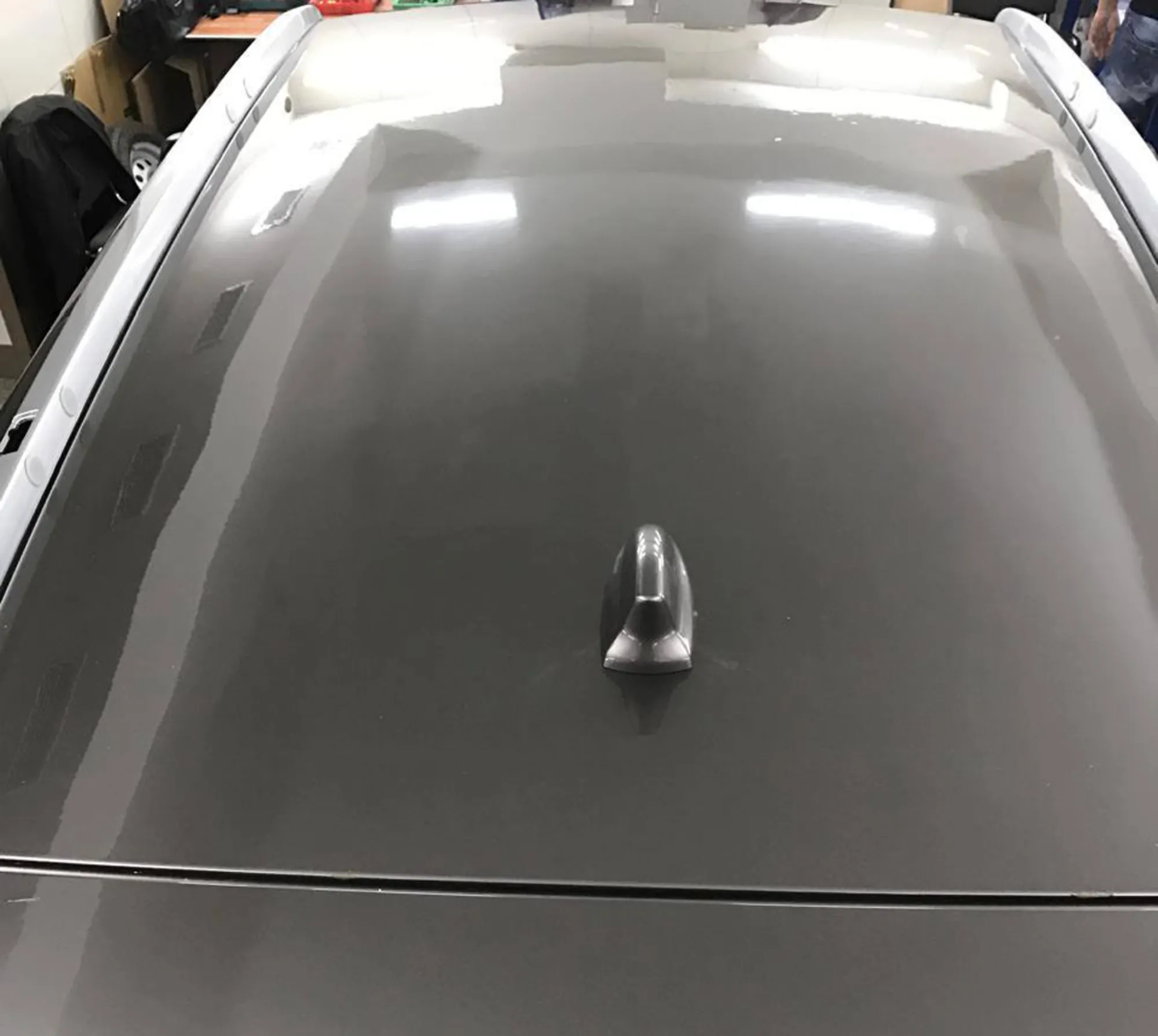
Our gallery showcases the dramatic results of expert PDR, restoring vehicles to their pristine condition. Drag to compare.
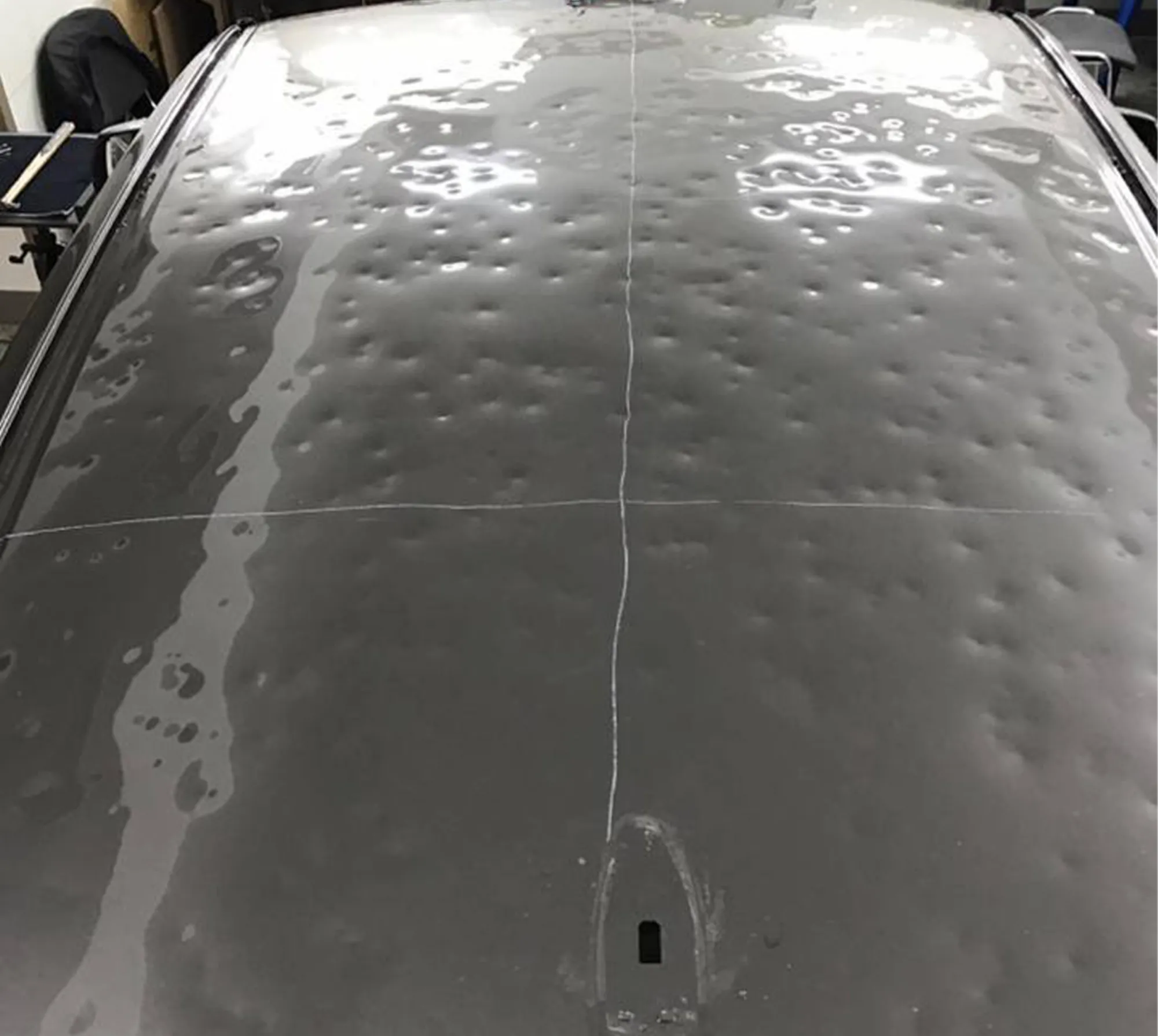
 Before
After
Before
After
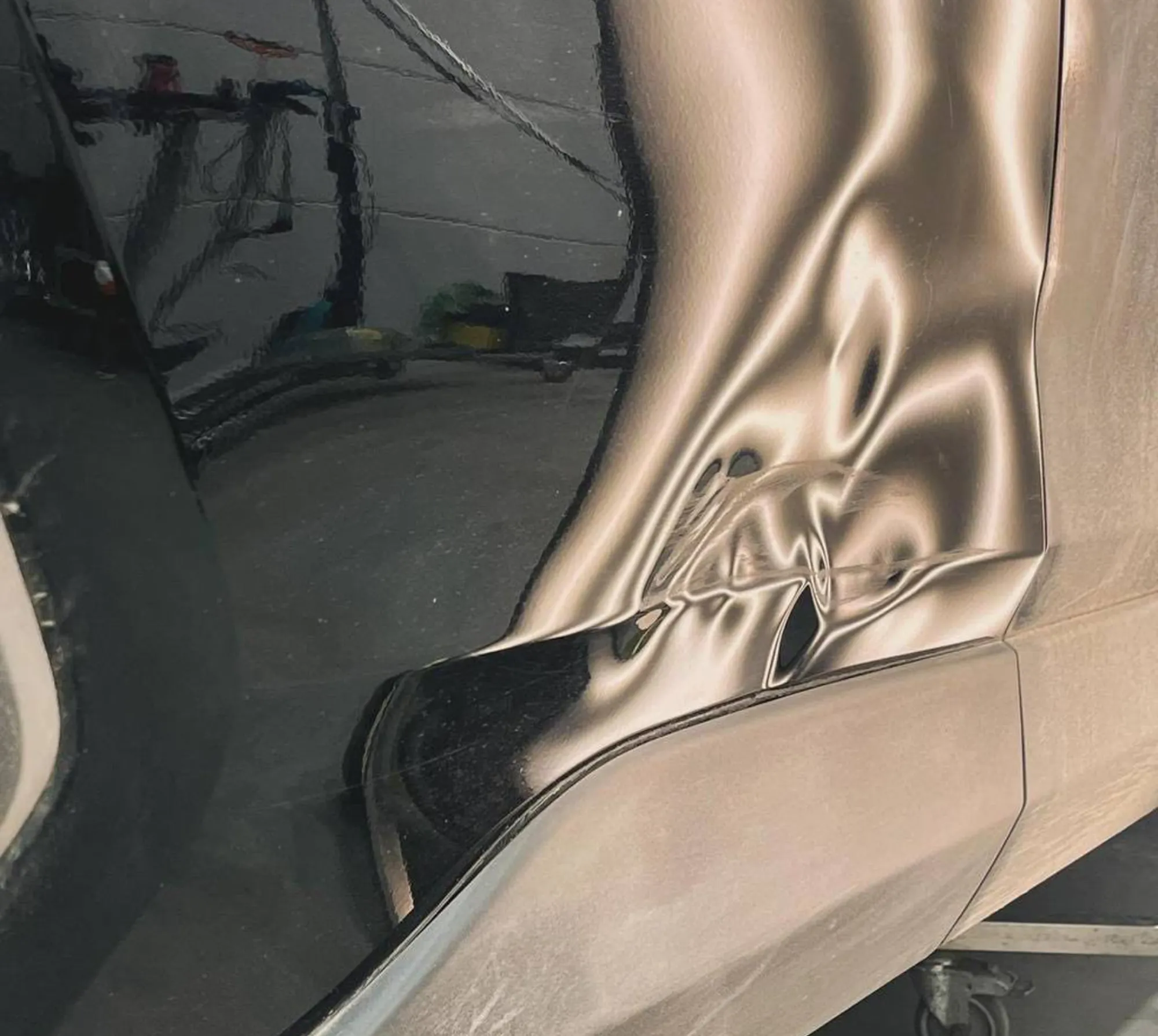
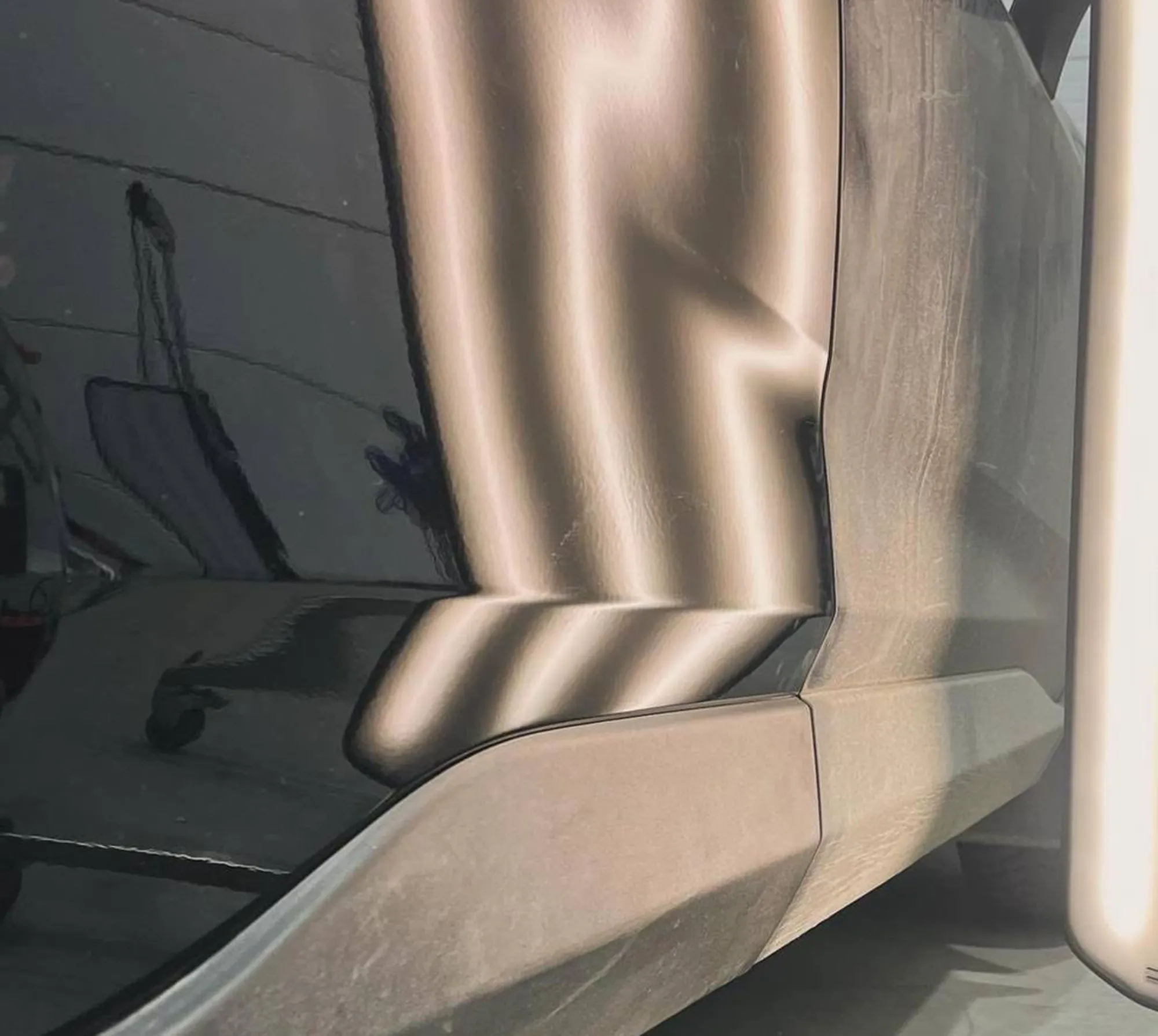 Before
After
Before
After
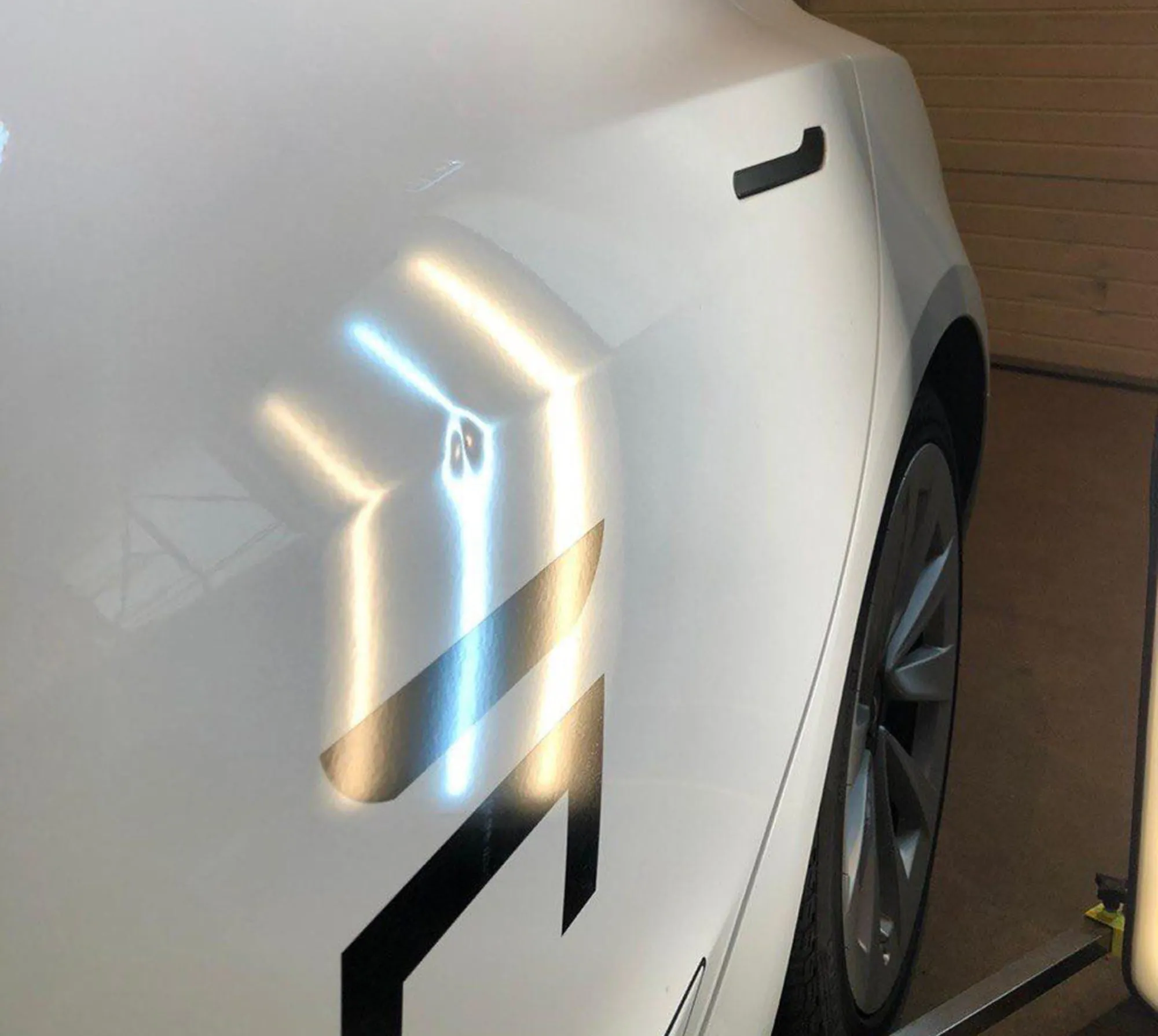
 Before
After
Before
After
Our straightforward PDR process ensures quality results. We assess, expertly repair using specialized tools, and meticulously inspect for your complete satisfaction.
We meticulously inspect your vehicle's dents, providing a precise, transparent estimate.
Our certified technicians skillfully remove dents, preserving your car's original paint finish.
We ensure flawless results and your complete satisfaction before you drive away.
Find answers to frequently asked questions about PDR here. Learn about eligibility, repair time, insurance, and the benefits of this innovative dent removal method.
PDR is optimally suited for dents where the original paint finish is intact and not cracked, chipped, or scratched.
Limitations arise when the paint is damaged, the metal is severely stretched or creased (especially on sharp body lines), the dent is very large (e.g., exceeding the size of a football), or access to the dent's underside is completely obstructed by structural components.
PDR technicians utilize a meticulous process of leverage and precise pressure application.
They access the dent from behind the panel (via window openings, fender liners, or by carefully removing interior trim) and use specialized steel rods and picks. PDR often involves the use of "glue pulling" techniques for areas with limited back-side access.
Yes, PDR can be successfully performed on aluminum panels, but it requires a higher level of skill and often more time.
Aluminum is a "memory-less" metal, meaning it doesn't have the same elastic properties as steel.
Temperature significantly impacts the elasticity of both the vehicle's paint and the metal.
Ideal PDR conditions are typically between 60°F and 80°F (15°C to 27°C). In colder temperatures, paint becomes more brittle and prone to cracking.
Glue pulling is a PDR technique primarily used when a technician cannot gain adequate access to the backside of a dent.
This method involves applying specialized hot glue to various-sized plastic or nylon "tabs" that are then firmly attached to the exterior of the dent.
The use of light reflection is absolutely critical in PDR, serving as the technician's primary visual guide.
PDR technicians use specialized "PDR lights" or "reflector boards" that create a distinct reflection on the vehicle's surface.
One of the most significant advantages of PDR is that it does not compromise the vehicle's structural integrity or original factory finish.
Since no paint is removed or applied, the original factory clear coat, base coat, primer, and electroplated corrosion protection layers remain fully intact.
Get a free, no-obligation estimate today - or book your PDR service directly online.